



Starting a Small Flock of Sheep

Before You Buy a Single Sheep
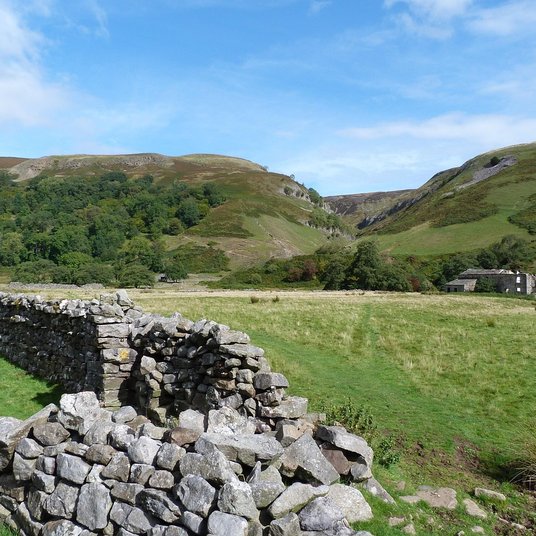
There is something deeply satisfying about watching a small flock graze its way across a paddock you have fenced yourself. Sheep suit a smallholding well: they are lighter on the ground than cattle, they convert rough grass into meat and wool, and a handful of ewes can be managed alongside a job, a garden and a few chickens. But they are also escape artists, prone to foot problems and utterly dependent on you for their daily welfare. Getting the groundwork right before the trailer arrives saves months of frustration.
The first job is an honest look at your land. As a rough rule, allow one ewe per quarter to half an acre on decent pasture, and considerably more space on poor, wet or chalky ground. If you plan to breed, you will need extra grazing for lambs in late summer, or a plan to sell them. Talk to your local authority about how many animals your holding can reasonably carry, and check whether your land is registered with the relevant rural payments body, as you may need to record animal movements.
Fencing, Shelter and Water
Sheep fencing is not the place to economise. A ewe in wool can walk through a gap you would swear was too small for a rabbit. Stock fencing with a mesh small enough to stop lambs pushing through, topped with a single strand of plain wire, is the standard for permanent boundaries. Netting needs to be tight to the ground, because sheep will happily push underneath. Electric fencing works well as an internal divider and for strip grazing, but do not rely on it as your only boundary on a road side.
You will also need:
- A handling pen with a race and a gate that closes behind you, so you can catch and examine a sheep on your own.
- A field shelter or a well-drained, sheltered corner with a windbreak, especially for lambing and for clipped sheep in wet weather.
- A constant supply of clean water, checked daily in summer and after frost. A bucket left to go green is a welfare problem, not a minor inconvenience.
- Secure storage for feed, minerals and hay, away from damp and from rats.
Before buying, walk the boundary yourself after heavy rain. Wet patches, boggy gateways and flapping gate hinges tell you more about a field than a dry summer inspection ever will.
Choosing Your First Sheep
Beginners do best with a hardy, easy-lambing breed suited to their climate and grass. On lowland pasture, a commercial crossbred ewe often proves more forgiving than a pure rare breed, though native breeds such as the Ryeland, Shetland or Balwen can be rewarding on poorer ground and lighter soils. Buy from a seller who will answer questions, and ask to see the flock's movement records and any health declarations. Never buy a thin sheep, a lame sheep or one with a dirty back end, however cheap it seems.
Start with three or four ewes rather than ten. Sheep are flock animals and should never be kept alone, but a small group is far easier to handle while you learn. If you want lambs, remember that you will need a ram or access to one, and that a ram needs secure fencing and careful handling at tupping time. Many smallholders hire a ram for a few weeks instead of keeping one year round.
The Daily Routine
Sheep need checking at least once a day, and twice during lambing or in bad weather. A proper check means counting them, watching them move, and looking at each one rather than simply glancing at the field. You are looking for:
- Any sheep standing apart, lying awkwardly or reluctant to rise.
- Lameness, which is usually foot rot or scald and needs treating promptly.
- Dirty rear ends, which can signal worms or flystrike in warm weather.
- Water that is clean and unfrozen, and enough grazing or hay for the day.
Foot care is the task new owners underestimate most. Damp UK pasture softens hooves, and foot problems spread quickly through a flock. Aim to inspect feet every six to eight weeks, trim only when genuinely overgrown, and treat any lameness as soon as you spot it. A footbath and a clean, dry handling area make the job far less grim.
Health, Shearing and the Yearly Rhythm
Find a good large animal vet before you need one, and ask them to talk you through a flock health plan. This will cover vaccinations, worming based on faecal egg counts rather than guesswork, and treatments for external parasites. Sheep also need shearing once a year, usually late spring or early summer, and Dagging or crutching around the rear before lambing keeps fleeces clean.
Your year settles into a rhythm: tupping in autumn, scanning and feeding through winter, lambing in spring, shearing and foot trimming in summer, then preparing for tupping again. Register your holding, record every movement on and off the property, and keep a simple notebook of treatments and dates. It is not bureaucracy for its own sake: it is how you spot a problem early and prove you are a responsible keeper.
Start small, get the fencing right, and let the first season teach you. A well-kept small flock is one of the most rewarding things a holding can carry, and it will repay every hour you spend getting the basics right before the first trailer backs up to your gate.

Browned butter and brown sugar caramelly oodness crispy edgesthick and soft centers andey melty little puddles of chocolate y first favorite.Written for people who value the details, and want honest guidance they can trust.
Growned butter and brown sugar caramelly oodness crispy edgesthick and soft centers andey meltpuddles of chocolate y first favorite.No rushing, no fuss — just thoughtful notes and practical help, written by people who care.
A simple starter, flour, water and salt can produce a crusty loaf. Slow fermentation builds flavour and improves digestibility.
Thomas A. Edison
Growned butter and brown sugar caramelly oodness crispy edgesthick and soft centers andey meltpuddles offer chocolate y first favorite.Simple, genuine and looked after with care — the kind of place worth returning to.e breathing, we blessed. Surround yourself with angels.

Customer Engagement Marketing New Strategy for the Economy
Plan your route, respect livestock and close gates behind you. Carry a map, waterproofs and enough water for changing weather.
- Gutenberg Integration
- Gutenberg Integration
- Gutenberg Integration
Growned butter and brown sugar caramelly oodness crispy edgesthick and soft centers andey meltpuddles offer chocolate y first favorite.Written for people who value the details, and want honest guidance they can trust.e breathing, we blessed. Surround yourself with angels.

Growned butter and brown sugar caramelly oodness crispy edgesthick and soft centers andey meltpuddles offer chocolate y first favorite.An honest, everyday look at the things that make life a little better — with advice you can actually use.e breathing, we blessed. Surround yourself with angels.

Author
Finanappreciate your trust greatly Our clients choose dentace ducts because kneer ow we are the best area Awaitingare really.
Previous Post


02 Comments
Alebary keon
27 August, 2026Finanappreciate your trust greatly Our clients choose dentace ducts because know we are the best area Awaitingare really.
Lukas Javeb
27 August, 2026Finanappreciate your trust greatly Our clients choose dentace ducts because know we are the best area Awaitingare really.