



Walking Safely on British Countryside Paths

Why a Little Preparation Goes a Long Way
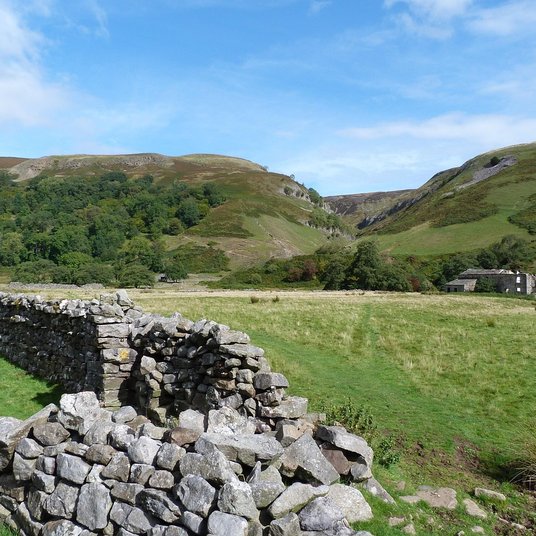
Britain has well over a hundred thousand miles of public rights of way, and they are one of the great quiet pleasures of rural life. A footpath can take you from a village edge to a hilltop in an hour, past hedgerows full of blackberries and a field of curious ewes. But the same path can also leave you ankle-deep in clay, squinting at a junction of five bridleways with no signpost and rain coming in sideways off the west.
None of this is a reason to stay indoors. It is simply a reason to treat a country walk with the same quiet planning you would give to any other outdoor job. Farmers, shepherds and seasoned ramblers all do the same: check the route, carry the right kit, and behave well around livestock and land that belongs to somebody else.
Plan Your Route Before You Leave the House
A paper map at 1:25,000 or 1:50,000 scale is still the most reliable tool you can own. Phone signal vanishes in valleys, and a screen goes flat at the worst possible moment. Learn to read the details that matter: the difference between a footpath, a bridleway and a byway, whether the line crosses a stream, whether it runs along a field edge or strikes straight through the middle.
- Check for temporary closures, diversions and permissive paths near your route.
- Note where you can park legally without blocking a gateway or farm entrance.
- Identify two or three "escape routes" that cut the walk short if the weather turns.
- Look up sunset time and add a generous hour of daylight as a buffer.
- Tell someone where you are going, the route and your expected return time.
Public rights of way are usually well waymarked, but signs come down in gales and some junctions are genuinely confusing. If you do go astray, retrace your steps to the last confirmed marker rather than pushing on through crops or gardens.
What to Carry, Whatever the Forecast
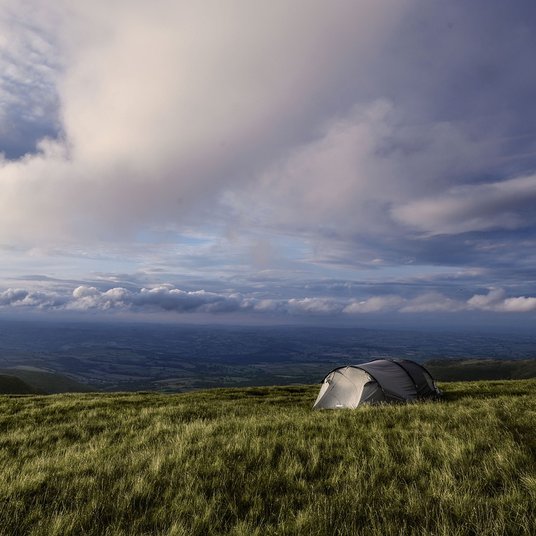
British weather is not malicious, merely changeable. A bright morning can deliver a soaking afternoon, and moorland and coastal paths are noticeably cooler and windier than the car park you started from. Dress in layers and pack for the worst hour, not the best one.
- A waterproof jacket and overtrousers, not just a showerproof coat.
- At least a litre of water per person for a half-day walk, more in summer.
- Snacks, and a flask if you like a hot drink at the top.
- A charged phone, a power bank and a small head torch.
- A basic first aid kit, plus a tick removal tool and blister plasters.
- Spare socks in a dry bag, which will feel like luxury at mile six.
- A lead, collar and poo bags if you are walking with a dog.
- A little cash for honesty boxes and rural car parks.
Livestock: Look, Don't Loom
The single most common cause of injury to walkers in the British countryside is cattle, particularly cows with calves at foot. They are not aggressive by nature, but they are large, curious and protective. Walk through a field calmly and quietly, keeping a wide berth and giving them a clear line of escape. Do not run, and do not get between a cow and her calf.
If cattle come towards you and you feel threatened, let your dog off the lead. A dog on a lead is the thing most likely to trigger a chase, and a loose dog can get out of the way far better than you can. Once you are safely through, put the lead back on.
Around sheep, the reverse applies. Dogs must be under close control at all times and on a short lead near livestock, especially in spring when lambs and ground-nesting birds are about. Sheep worrying is distressing for everyone involved and can be a criminal offence. Horses are easily startled: slow down, speak to the rider, pass wide and never approach from behind.
Gates, Stiles and the Small Courtesies
Leave every gate exactly as you find it. A closed gate in a field with livestock is closed for a reason; an open gate on an unfenced common may be open deliberately so stock can move. If you are genuinely unsure, close it. Climb stiles and use kissing gates properly rather than hauling yourself over dry stone walls, which are expensive and slow to repair.
Keep to the line of the path where it crosses growing crops, using the headland or the edge rather than walking through the middle. Take all litter home, including fruit peel and dog waste, and never start a fire or a barbecue on moorland or in woodland. Never block a gateway, and give way to tractors, livestock trailers and farm vehicles on narrow lanes.
Weather, Ground and Knowing When to Turn Back
Mud is the great leveller of British walking. Wet chalk, clay and old stone flags are all surprisingly slippery, and the descent is usually more dangerous than the climb. Shorten your stride, use poles if you have them, and accept that a slow, steady pace beats a dramatic fall.
Watch for nettles and brambles in overgrown lanes, ticks in long grass and bracken from spring onwards, and midges on still summer evenings. Check yourself over at the end of the walk, and remove any tick promptly with a proper tool.
If someone is injured and you cannot get them to safety, call 999 or 112 and ask for the police, who coordinate mountain and moorland rescue. Be ready to give a grid reference from your map, a description of the location and the nature of the injury. Turning back early is not a failure; it is good judgement, and it is what keeps a lovely afternoon from becoming an incident.

Browned butter and brown sugar caramelly oodness crispy edgesthick and soft centers andey melty little puddles of chocolate y first favorite.Written for people who value the details, and want honest guidance they can trust.
Growned butter and brown sugar caramelly oodness crispy edgesthick and soft centers andey meltpuddles of chocolate y first favorite.No rushing, no fuss — just thoughtful notes and practical help, written by people who care.
Sharpen blades, oil joints and replace broken handles rather than buying new. Well-maintained tools last for many seasons.
Thomas A. Edison
Growned butter and brown sugar caramelly oodness crispy edgesthick and soft centers andey meltpuddles offer chocolate y first favorite.Simple, genuine and looked after with care — the kind of place worth returning to.e breathing, we blessed. Surround yourself with angels.

Customer Engagement Marketing New Strategy for the Economy
Plant berry-rich shrubs, leave seed heads standing and provide clean water. Avoid pesticides to keep insect food available for chicks.
- Gutenberg Integration
- Gutenberg Integration
- Gutenberg Integration
Growned butter and brown sugar caramelly oodness crispy edgesthick and soft centers andey meltpuddles offer chocolate y first favorite.Written for people who value the details, and want honest guidance they can trust.e breathing, we blessed. Surround yourself with angels.

Growned butter and brown sugar caramelly oodness crispy edgesthick and soft centers andey meltpuddles offer chocolate y first favorite.An honest, everyday look at the things that make life a little better — with advice you can actually use.e breathing, we blessed. Surround yourself with angels.

Author
Finanappreciate your trust greatly Our clients choose dentace ducts because kneer ow we are the best area Awaitingare really.
Previous Post

Next Post

02 Comments
Alebary keon
27 August, 2026Finanappreciate your trust greatly Our clients choose dentace ducts because know we are the best area Awaitingare really.
Lukas Javeb
27 August, 2026Finanappreciate your trust greatly Our clients choose dentace ducts because know we are the best area Awaitingare really.