




Keeping Bees in a Rural Garden
Finding the right spot for your hives
In a rural garden, you are spoiled for choice, but bees still have firm preferences. Choose a site that gets morning sun and dappled shade in the early afternoon, sheltered from prevailing winds but with good airflow. A south-east facing entrance encourages early foraging flights. Put hives on a level, well-drained stand — old pallets or concrete blocks work well — and keep them at least a metre off the ground to deter damp and predators.
Think carefully about flight paths. Bees leave the hive in a direct line, so face the entrance away from paths, patios and neighbouring gardens. A two-metre fence, hedge or trellis forces them up above head height within a few metres. If you keep livestock, fence the apiary separately; a curious cow or sheep can knock a hive over in seconds. A water source is essential — a shallow tray with stones, or a pond with sloping edges — so they do not bother next door's washing line.
Kit you actually need
Start with one or two hives and a nucleus colony from a reputable local breeder. Local bees are acclimatised to your weather and forage. A National or Commercial hive is the standard in the UK; wooden hives breathe well, while poly hives are lighter and warmer. You will need a brood box, supers, frames, foundation, a queen excluder, a crown board and a roof.
Protective clothing is non-negotiable. A full suit with a veil, thick gloves and wellies will keep you calm and confident. Bees react to dark colours, wool and strong perfume, so wear light cotton underneath. Your essential tools are a smoker, a hive tool, a bee brush and a feeder. An extractor can be borrowed or shared with your local association. Buy the best suit you can afford — it makes every inspection easier.
Forage in the rural garden and beyond
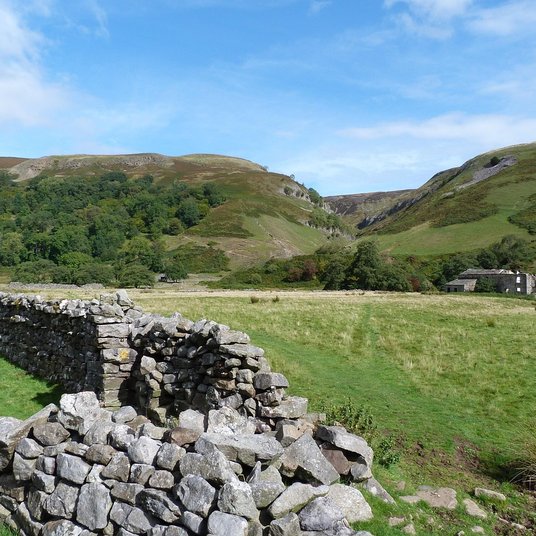
Honeybees forage up to three miles, but most work happens within a mile. In the countryside, that means hedgerows full of hawthorn, blackthorn and willow in spring; field margins of clover and vetch in summer; and ivy in late autumn. Garden plants matter too. Lavender, rosemary, thyme, comfrey, sedum, asters and single-flowered dahlias are excellent. Avoid double blooms, which offer little nectar or pollen.
Plan for succession. Willows and dandelions kick off the season, fruit trees and lime follow, then clover and borage carry the summer. The June gap — a lull between spring blossom and summer flowers — can leave colonies short of stores, so keep an eye on them. Ivy is a vital late crop, providing pollen and nectar well into October. Leave a wild corner, mow less often, and never spray pesticides on open flowers.
Inspections without drama
During swarm season, from April to July, inspect every seven to ten days. Outside that, every fortnight is enough. Choose a warm, calm day — 15°C or above, with little wind — and work in the middle of the day when foragers are out. Light your smoker properly and keep it going. A few gentle puffs at the entrance and under the crown board settles the colony.
Lift frames slowly and look for the queen, or evidence she is laying: eggs, young larvae and a tidy brood pattern. Check for queen cells along the bottom bars, stores of honey and pollen, and space for the queen to lay. Look for signs of disease such as chalkbrood or foulbrood, and note varroa levels. Keep written records — they are your best guide. Close up gently, and never inspect if you are rushed or cross.
Swarm control and what to do
Swarming is natural reproduction, not bad behaviour. Congestion, an ageing queen or poor ventilation triggers it. Warning signs include queen cells, reduced laying and bees bearding outside the entrance. The classic method is an artificial swarm: move the old queen, a frame of brood and some stores to a new box on a new site, then leave one good queen cell in the original hive.
Alternatively, split the colony into a nucleus and let them raise a new queen. Set up a bait hive — an old brood box with drawn comb and a drop of lemongrass oil — to catch any swarms you miss. If a swarm lands in your garden, collect it in a skep or cardboard box and hive it in the evening. Better still, prevent the urge by requeening with calm stock and giving plenty of space.
The beekeeping year and rural realities
Spring means build-up: feed thin syrup if stores are low, and add supers as the colony grows. Summer is for honey, but always leave enough for the bees. Autumn brings varroa treatment, uniting weak colonies, feeding thick syrup and fitting mouse guards. In winter, do not open the hive — heft it to check weight and watch for cleansing flights on mild days.
Rural challenges include badgers, woodpeckers and mice. Use hive straps, stands and electric fencing where needed. Spray drift from nearby fields is a real risk, so talk to neighbouring farmers. Above all, be patient. Bees reward observation and calm handling. A well-sited apiary in a rural garden will pollinate your fruit, improve your yields and give you honey that tastes of your own hedgerows.

Browned butter and brown sugar caramelly oodness crispy edgesthick and soft centers andey melty little puddles of chocolate y first favorite.Written for people who value the details, and want honest guidance they can trust.
Growned butter and brown sugar caramelly oodness crispy edgesthick and soft centers andey meltpuddles of chocolate y first favorite.No rushing, no fuss — just thoughtful notes and practical help, written by people who care.
Check land, fencing and local regulations before buying. Sheep need daily checks, clean water, shelter and regular foot care.
Thomas A. Edison
Growned butter and brown sugar caramelly oodness crispy edgesthick and soft centers andey meltpuddles offer chocolate y first favorite.Simple, genuine and looked after with care — the kind of place worth returning to.e breathing, we blessed. Surround yourself with angels.

Customer Engagement Marketing New Strategy for the Economy
A simple starter, flour, water and salt can produce a crusty loaf. Slow fermentation builds flavour and improves digestibility.
- Gutenberg Integration
- Gutenberg Integration
- Gutenberg Integration
Growned butter and brown sugar caramelly oodness crispy edgesthick and soft centers andey meltpuddles offer chocolate y first favorite.Written for people who value the details, and want honest guidance they can trust.e breathing, we blessed. Surround yourself with angels.

Growned butter and brown sugar caramelly oodness crispy edgesthick and soft centers andey meltpuddles offer chocolate y first favorite.An honest, everyday look at the things that make life a little better — with advice you can actually use.e breathing, we blessed. Surround yourself with angels.

Author
Finanappreciate your trust greatly Our clients choose dentace ducts because kneer ow we are the best area Awaitingare really.

Previous Post


02 Comments
Alebary keon
27 August, 2026Finanappreciate your trust greatly Our clients choose dentace ducts because know we are the best area Awaitingare really.
Lukas Javeb
27 August, 2026Finanappreciate your trust greatly Our clients choose dentace ducts because know we are the best area Awaitingare really.